
Volunteering is one of the most important aspects of human life. It not only contributes to the betterment of society but also has a profound impact on an individual’s personal development. Volunteering offers a unique opportunity to build self-confidence, emotional peace, and a new perspective on life. It is not just about helping others; it is also about growing as a person, learning new skills, and enhancing our overall well-being. On the one hand, volunteering works toward societal improvement, while on the other hand, it acts as a catalyst for personal growth.
Firstly, volunteering plays a significant role in building self-confidence and self-esteem. When we help others, we realize our own value and the positive impact we can have. The feeling of doing good creates a sense of fulfillment and joy, making our lives more meaningful. Furthermore, volunteering improves our social connections. Through volunteer work, we meet new people, which opens up opportunities to build relationships and create a strong network.
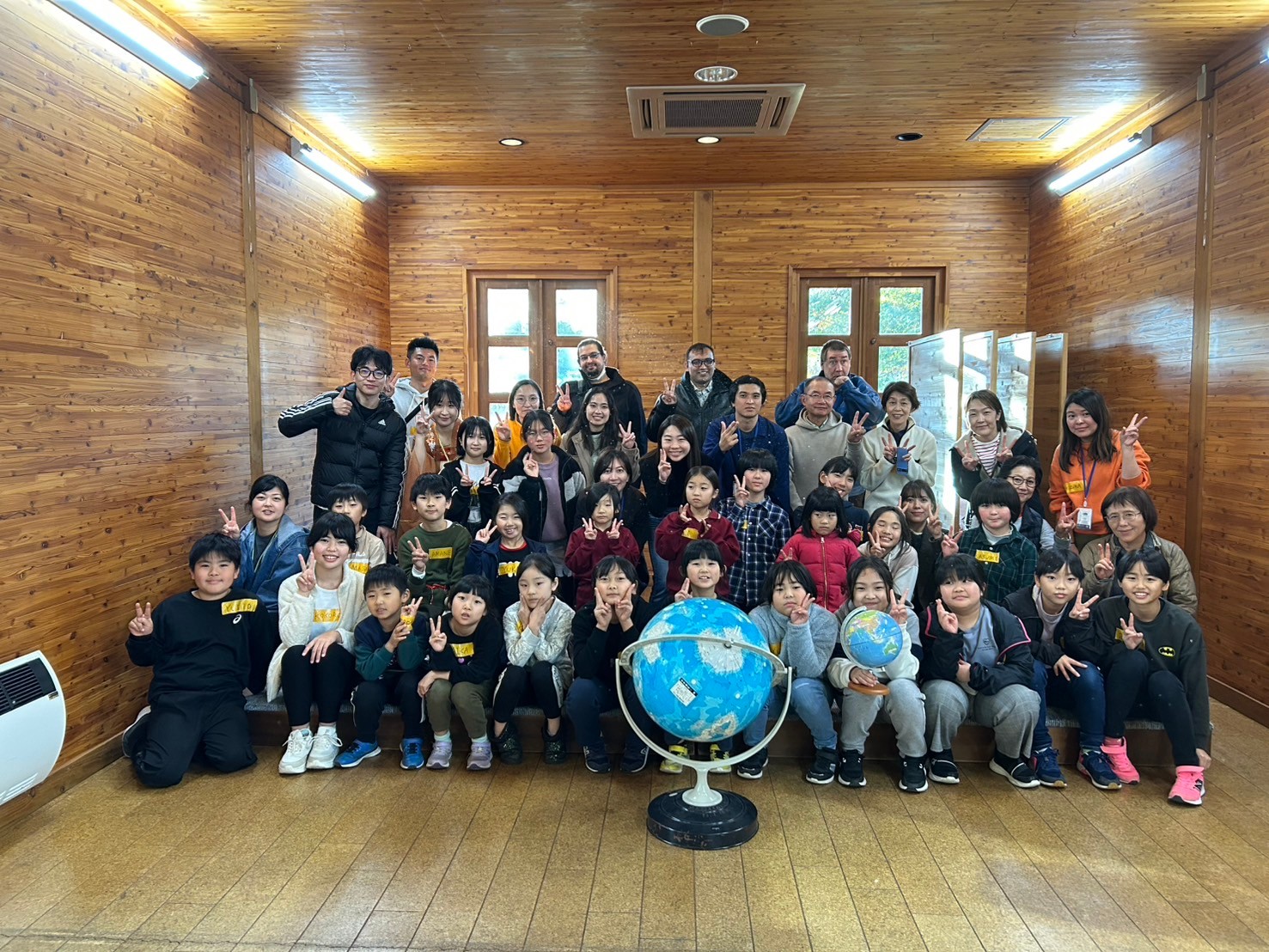
Secondly, volunteering helps us acquire new skills that are beneficial in both personal and professional life. These skills may include communication, leadership, time management, and problem-solving abilities. Volunteering not only enhances our ability to work as a team but also develops qualities like patience and empathy. These newly acquired skills are useful not only in social work but also in the workplace, boosting career prospects. Many organizations value volunteer experience, and this can significantly benefit your career development.
Additionally, volunteering increases our sense of social responsibility and awareness. Through volunteer work, we become more conscious of various social issues such as poverty, environmental challenges, healthcare shortages, and educational inequalities. Volunteering helps us understand that even small actions can lead to big changes in society. This increased awareness broadens our perspective and instills a sense of responsibility toward creating a better world.
Volunteering also has positive effects on mental health. Research has shown that individuals who volunteer regularly tend to experience lower levels of stress and anxiety, and they report higher levels of mental well-being. Helping others brings a sense of peace and satisfaction, which can lead to a more enriched and fulfilling life. Volunteering also offers opportunities for physical activity, which can contribute to better overall health.
Finally, volunteering provides us with a new perspective on life. As we participate in various projects or initiatives, we gain deeper insights into the lives, struggles, and needs of others. This experience makes us more compassionate and empathetic toward others. We learn that even small contributions can create significant changes and that our efforts are meaningful. Volunteering helps us realize that we are part of something much bigger than ourselves.
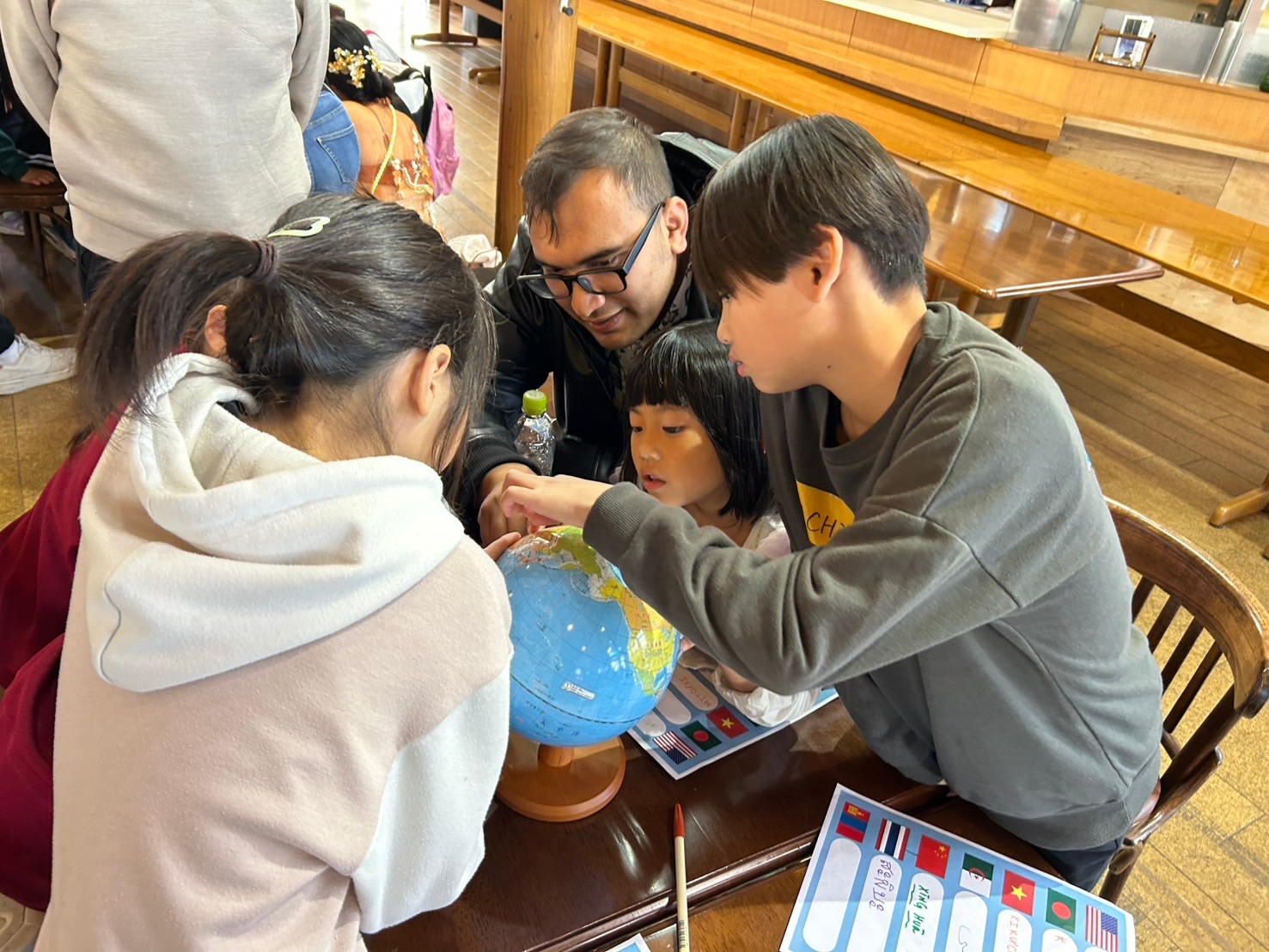
In conclusion, volunteering is not just a charitable act; it is a powerful tool for personal growth and societal development. It strengthens our self-confidence, helps us acquire new skills, fosters social responsibility, improves mental and physical health, and provides us with a broader perspective on life. Volunteering makes our lives richer, more meaningful, and more connected to the world around us. It is an essential part of life, and everyone should embrace the opportunity to contribute to the well-being of others while enhancing their own life.
Author: Md.Shakil Khan


 জাপান প্রবাসে